If a Kavqeno delivery appears incomplete, keep the parcel, contents and packaging together, then compare every received item with the confirmed order record before contacting support. Record the order number, each complete product name or SKU, the ordered quantity, what was physically present, and clear photographs of the parcel and contents. Do not send anything back until Kavqeno provides instructions and the correct return destination. This checklist organises evidence; it does not determine why an item is absent or guarantee a refund, replacement or other outcome.
Adults aged 18 and over only. Tobacco contains addictive nicotine, and smoking causes serious health risks. This is neutral order-record and policy-process information, not health advice or encouragement to purchase tobacco.
Start with the confirmed order record
Use the confirmation or private account record connected to the submitted order. The current catalogue can help identify a product, but it cannot reconstruct what an earlier order contained. Write down the exact order number and make one line for every product shown in the confirmation.
Preserve the complete recorded product name, SKU when shown, sale unit and ordered quantity. Do not shorten a product to its brand. Related products can share several words and the same carton format while remaining separate records. The Kavqeno Exact Product Directory provides the current route for checking full names and locating live records.
Count records and sale units separately
A useful check distinguishes the number of different order lines from the quantity on each line. One line may show more than one sale unit, while several lines may each show one unit. Copy the confirmation exactly before counting the physical contents.
| Field | Record from the confirmation | Record from the parcel |
|---|---|---|
| Product identity | Complete title and SKU | Visible complete title or identifying text |
| Sale unit | Carton and pack wording as recorded | Unit physically present |
| Quantity | Number recorded for that line | Number physically present |
| Difference | Do not infer one | State only the observed shortfall |
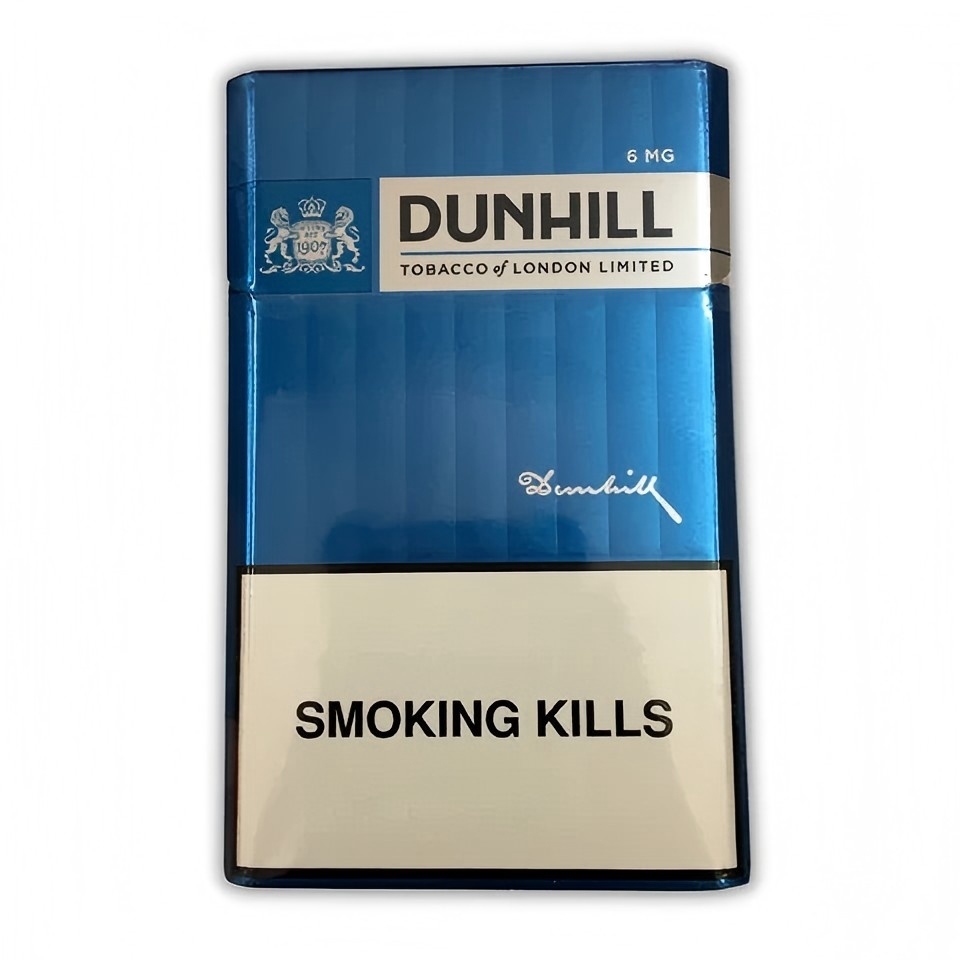
For example, the live catalogue page for Dunhill Blue 6mg Cigarettes – 1 Carton (10 Packs) identifies the current record with SKU SS-386. Its featured site-owned photograph visibly supports the Dunhill and 6 mg identity shown in that catalogue record. It is only an identification example: it is not a photograph of a reader’s parcel, proof of authenticity, or evidence about any individual order.
Preserve the parcel before changing anything
The current Returns and Refunds page asks customers to contact Kavqeno promptly when an Australian order arrives incomplete and to keep the item and packaging until support provides the next step. Keep the outer parcel, labels, internal packing and received items together while preparing the enquiry.
Take clear photographs of the parcel as received, the visible contents laid out together, and any relevant label or packing detail. Keep order numbers, addresses and tracking references private. Photographs should document what is visible without adding an explanation for the apparent shortfall. Do not alter the products or discard the packaging before support has assessed the record.
Use an observed-facts note
- Order number copied from the private confirmation.
- Date the parcel was received.
- Every order line copied with its full product name, SKU, unit and quantity.
- Every item physically present, recorded in the same format.
- One sentence identifying the apparent difference.
- A list of the photographs retained or attached.
Write “the confirmation records two units and one unit was present” rather than guessing that an item was omitted at a particular stage. The first statement can be checked against records; the second assigns a cause that the parcel alone cannot establish.
Prepare one focused support message
The existing guide on what to include in a Kavqeno order enquiry remains the owner page for general order-contact questions. For an apparently incomplete delivery, use its minimum-reference method and add the item-by-item comparison and photographs relevant to this specific issue.
State the order number, copy the complete name or SKU for each affected record, describe the apparent shortfall in one factual sentence, and list the photographs. Ask what the next step is. Send the enquiry through the private Kavqeno contact page, not a public comment or social post.
Keep sensitive and changing fields out of the claim
Do not include full card details, passwords, identity documents or unrelated personal information in a general support message. A delivery address or tracking reference should not be published publicly. Provide only the records needed to identify the order and issue through the site’s private route.
Do not use a current price, stock indicator or product-page image to claim what was packed. Those fields and pages describe the live catalogue, while the confirmation identifies the submitted order and the parcel photographs document what was observed. Keep these evidence sources separate.
Incomplete-order record checklist
- Keep the parcel, contents and packaging together.
- Copy every confirmed order line without shortening the product name.
- Match the exact SKU, sale unit and quantity where shown.
- Count different lines separately from quantities on each line.
- Photograph the parcel and all visible contents clearly.
- Describe only the observed difference without assigning a cause.
- Use the private contact route with the minimum necessary details.
- Wait for instructions and a correct return destination before sending anything.
What the comparison can establish
The comparison can show what the confirmed order record says and what was visibly present when the parcel was checked. It can give Kavqeno a consistent reference for assessing the enquiry. It cannot establish why the records differ, whether another parcel exists, or which remedy may apply. Any next step depends on the verified order information, supplied evidence, current policy and applicable rights.
Keep the note factual, private and tied to the exact records. That makes an apparently incomplete-order enquiry easier to assess without turning a record check into a promise about delivery, return approval, refund, replacement, payment, tax, customs or any legal outcome.